
Sherman Oaks & Los Angeles
High-Security Locks & Restricted Keys
When controlling key copies matters, review security cylinders, restricted keyways and compatibility with the existing door.
Tell us the hardware, location and what stopped working.
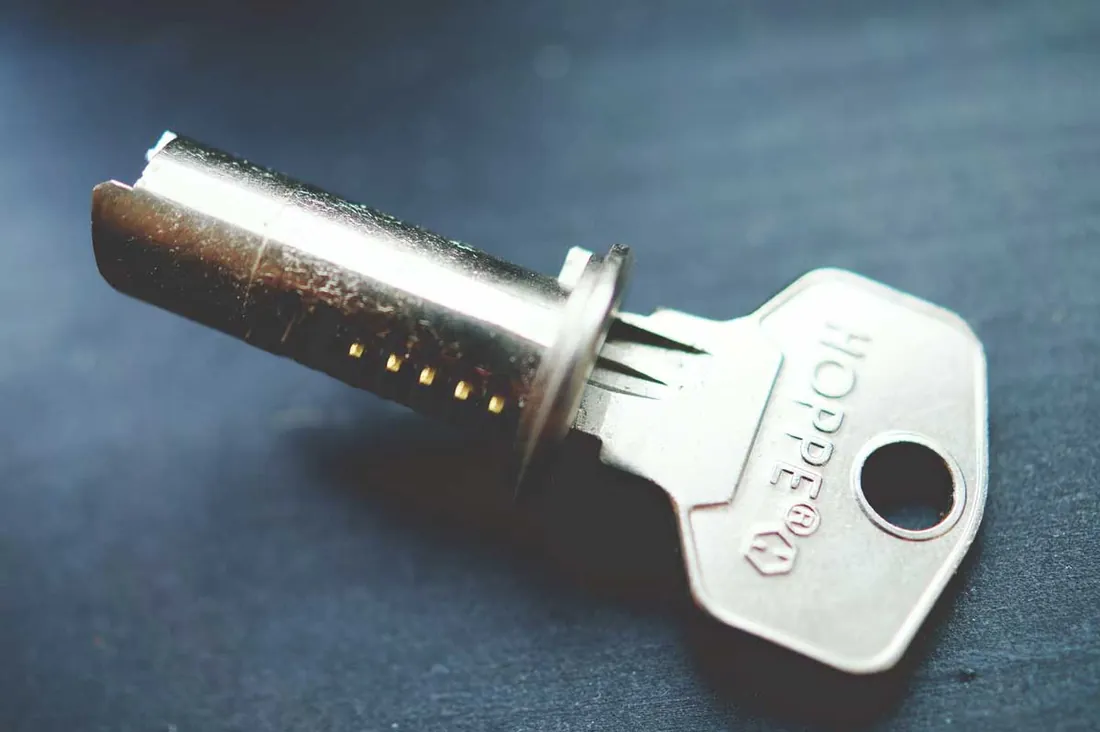
Decide what you need the lock to control
A stronger cylinder and a restricted key solve different problems. A security cylinder may be designed to resist particular forms of attack. A restricted key system addresses who can obtain another working key. Neither corrects a weak frame or a door that does not latch. Choosing hardware starts with deciding which problem exists at your property.
Superior Locksmith's residential and commercial work includes security cylinders, restricted keyways and key-control planning. For a home, office or managed property in Sherman Oaks or Los Angeles, the practical questions are who holds keys, which doors those keys open, and whether the current hardware is still suitable. The useful outcome is an entrance that operates reliably and a key arrangement you can manage.
The phrase high-security should not be treated as a universal product specification. Different cylinders offer different features, and compatible parts depend on the lock already in the door. We do not claim that a particular certification, brand or restricted-key platform is available for every installation. Those details must be confirmed for the proposed hardware.
Situations where key control deserves attention
Returned keys do not account for copies
When an employee, contractor or former occupant returns a standard key, it does not establish whether copies exist. A controlled duplication arrangement may help prevent unauthorized copies going forward. It does not make existing unknown keys disappear. Changing the access arrangement may still require rekeying or replacing compatible cylinders.
Sensitive rooms need separate access
A front-office key need not open a records room, stock cupboard or private office. Before buying hardware, list the people who need each opening. A restricted keyway can support that plan, while a master-key system can provide different levels of mechanical access. These choices should be designed together rather than fitted one door at a time without a record.
Repeated faults may be mechanical
A stiff key, short bolt travel or a door that needs lifting is not proof that the existing cylinder lacks security features. Alignment, wear or poor installation may be the immediate cause. Repairing the entrance first prevents a new cylinder from being subjected to the same resistance.
Restricted keys and cylinder compatibility
A keyway is the shaped path that accepts a particular family of keys. Cylinders with different keyways cannot simply be made to accept one another's keys by changing the pins. Where several entrances are meant to use one key, the hardware must be compatible with the intended key family.
Restricted duplication depends on the particular system and its authorization process. Ask who may order keys, what identification or record is required, and how replacement keys are obtained if an authorized person leaves the business. A system that controls copies but leaves nobody able to authorize a replacement is inconvenient rather than well managed.
Existing mortise locks, lever sets, storefront hardware and residential deadbolts may accept different cylinder formats. The assessment therefore includes the lock body, cylinder size, cam or tailpiece and door preparation. A similar-looking cylinder is not necessarily interchangeable. The lock must continue to latch, unlock and release from inside correctly after any change.
Electronic access may be a better fit where people change frequently and individual credentials must be revoked or logged. That is a different service with its own power and administration requirements. The access-control page explains that option without assuming every controlled entrance needs electronics.
Look beyond the keyhole
Security hardware works as part of an assembly. A cylinder mounted in a worn lock body, an inadequately supported strike, or a loose door frame may not provide the improvement expected. The door material, hinge condition, latch engagement and exposed hardware all affect the result.
A technician can check whether the bolt or latch enters its keeper properly and whether the lock remains usable with the door shut. If it only operates smoothly while the door is open, alignment needs attention. Adding a cylinder with more security features will not move the strike or straighten the opening.
On shared, commercial or designated exit doors, preserving the appropriate inside release is essential. Do not add a lock that requires people to find a key before they can leave without first having the opening assessed. Any fire-door or exit requirements must be checked for the actual assembly; a website description cannot approve a hardware arrangement for a particular building.
Planning an upgrade without unnecessary replacement
Begin with a list of entrances and current users. Identify lost keys, uncertain copies, poorly operating locks and any building-managed cylinders. This separates an access-control concern from a maintenance issue and gives the technician something concrete to evaluate.
The proposed scope may involve compatible cylinder changes, a rekey, selected hardware replacement or a wider key plan. Not every door needs the same treatment. A private office may need its own controlled cylinder while general internal doors retain simpler hardware. Explain how the building is used rather than choosing a product name before the assessment.
Agree how the finished system will be documented: which key opens which door, who can authorize duplication, and who receives the initial keys. Test every affected opening and every key level before the visit is complete. A label on a key is not a substitute for trying it in the doors it should and should not operate.
Keep the access record somewhere secure. Avoid putting a complete address or sensitive room description on keys that may be lost. When staff or tenants change, review the record and the risk of retained keys instead of assuming the original arrangement remains appropriate forever.
Preparing a local enquiry
For a Sherman Oaks home, apartment or Los Angeles business, send photographs of the lock face and door edge if possible. Include the number of openings and whether you want one key for all of them or different access levels. If the property already has a restricted system, provide its identifying information without sending private key codes through a general website message.
Tell us whether the existing keys must remain usable anywhere else. A shared building entrance or landlord-controlled master key can constrain changes to a unit door. Obtain management authorization before altering common access.
The residential locksmith page covers household lock work, while commercial services covers business premises. A worn entrance that simply needs repair can be routed to that work without turning the request into a complete security upgrade.
Common questions
Questions before you book
Request high-security locks & restricted keys
Describe the problem and include the hardware or vehicle details that apply. For photographs, use the email link on our contact page.
Identification is required
For any work that provides access to a property, vehicle or safe, the technician will ask for photo identification and evidence that you are entitled to enter. Having that ready keeps the visit short.