
Property
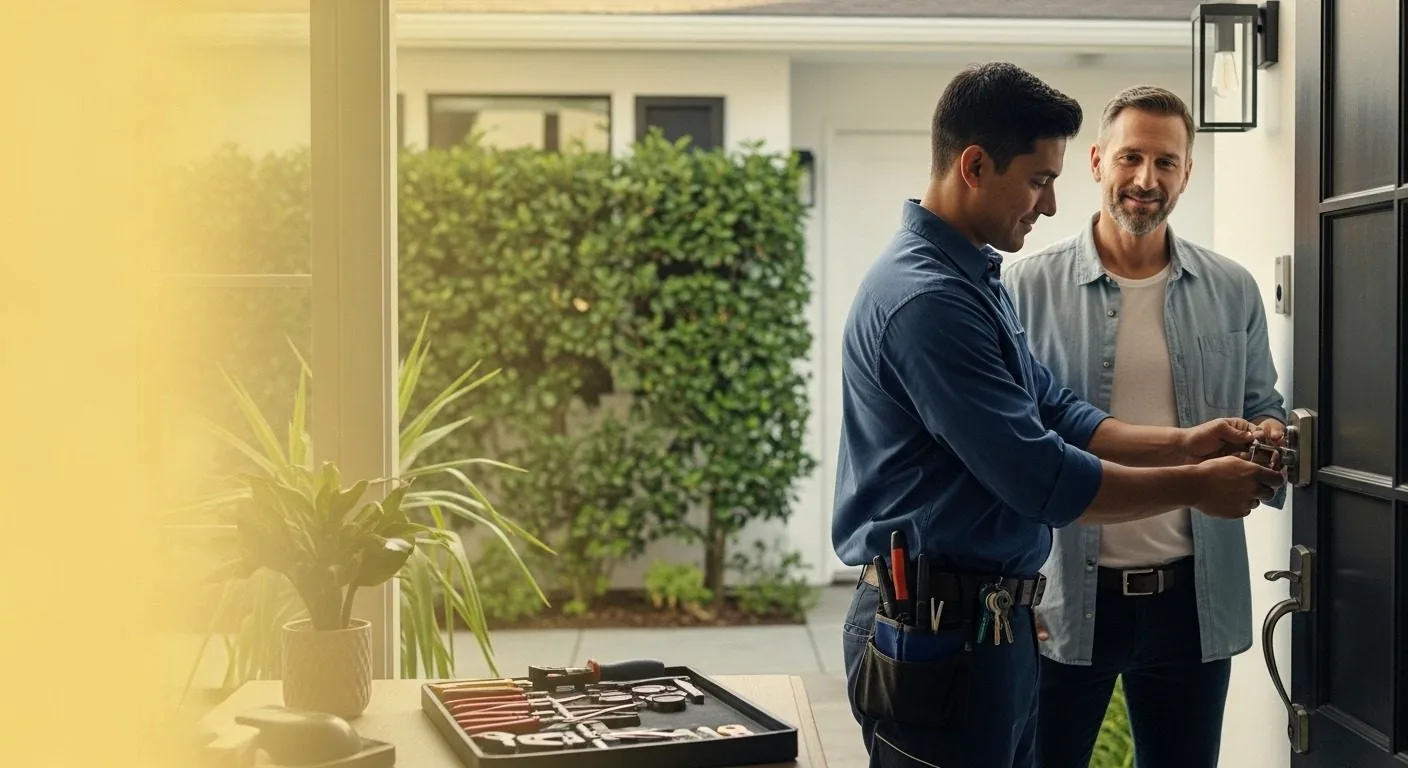
Residential Locksmith Services
Rekeying, lock repair and replacement, smart locks and authorised house lockouts for homes, condominiums and rental property.

Locksmith services
Seven service lines covering homes, businesses and vehicles — from rekeying a single deadbolt to planning access control across a building. Each has its own page explaining the work, the situations it applies to and what a technician will need to know.
How this is organised
Locksmith work divides more neatly by property than by symptom. The same snapped key means something different in a front door, a storefront mortise lock and a car ignition — different tooling, different risk of damage, different follow-up. Organising the work this way means the page you land on can talk specifically about your situation instead of hedging across all three.
Within each service line, the underlying method is consistent. Identify what the hardware is and what it is doing. Work out whether the fault is in the lock, the door, the credential or the system around it. Then do the smallest thing that restores reliable operation, and say clearly when something larger is genuinely needed.
If you are not sure which page applies, the contact page or a phone call will sort it out in a minute. Describing the hardware is more useful than naming a service.
Our services
Each card links to a full page covering the work involved, common situations, what affects the approach and the questions a technician will ask.
Rekeying, lock repair and replacement, smart locks and authorised house lockouts for homes, condominiums and rental property.
Storefront and office door hardware, master-key planning, panic bars, closers and commercial rekeying.
Car key replacement, transponder and fob programming, ignition work and authorised vehicle lockouts.
Assistance when a door, vehicle or safe cannot be opened, or when a lock has failed and the opening needs securing.
Readers, controllers, electric strikes and magnetic locks for buildings that manage entry with credentials rather than keys.
Camera placement, cabling, recorder setup and remote viewing for homes, offices and multi-unit property.
Safe opening with proof of ownership, lock diagnostics, combination changes and installation planning.
Before a visit
The purpose of the first call is not to sell a service. It is to work out which of several quite different jobs you are describing, and what a technician needs to have on the van when they arrive.
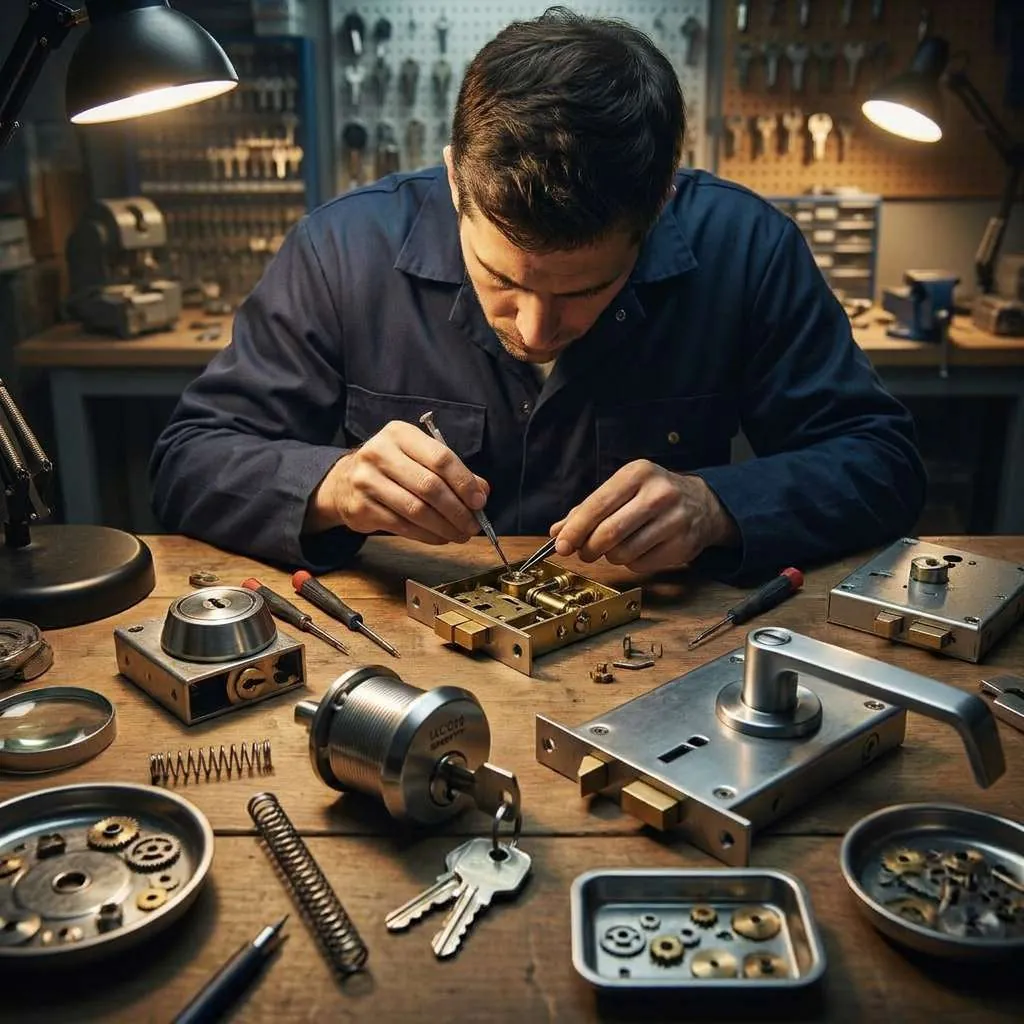
A “lock that will not work” could be a seized cylinder, a dropped door, a failed keypad, a bent key, a damaged strike or a closer that stopped doing its job. Those need different parts and different tools. Getting that right before the visit is the difference between one appointment and two.
So the questions tend to be practical: what the door or vehicle is, what the hardware looks like, what changed just before the problem started, and whether anything has already been tried. Photographs help more than anything else, particularly of the lock face, the edge of the door and the strike plate.
How it works
The work varies enormously between service lines. The sequence does not.
Call or send the form with the property or vehicle, the hardware involved and what changed. Photographs help.
We confirm which service line applies, what the technician needs to bring, and how authorisation will be shown for access work.
The technician inspects the actual hardware and the whole opening, then explains what was found and which options are realistic.
Locks, keys, credentials or cameras are tested in place before the visit ends.
Where we work
From the western and central San Fernando Valley through the Conejo Valley communities, into central Los Angeles and west to the coast. Every covered community has its own page.
Common questions
Service details
Choose the work that matches the problem at your door, vehicle or equipment.
Tell us what the lock, key, door or vehicle is doing and our team will come back to you.
For any work that provides access to a property, vehicle or safe, the technician will ask for photo identification and evidence that you are entitled to enter. Having that ready keeps the visit short.


