
Sherman Oaks & Los Angeles
Access Control Repair
A reader accepts a credential but the door stays locked? Trace the fault through power, control and locking hardware.
Tell us the hardware, location and what stopped working.
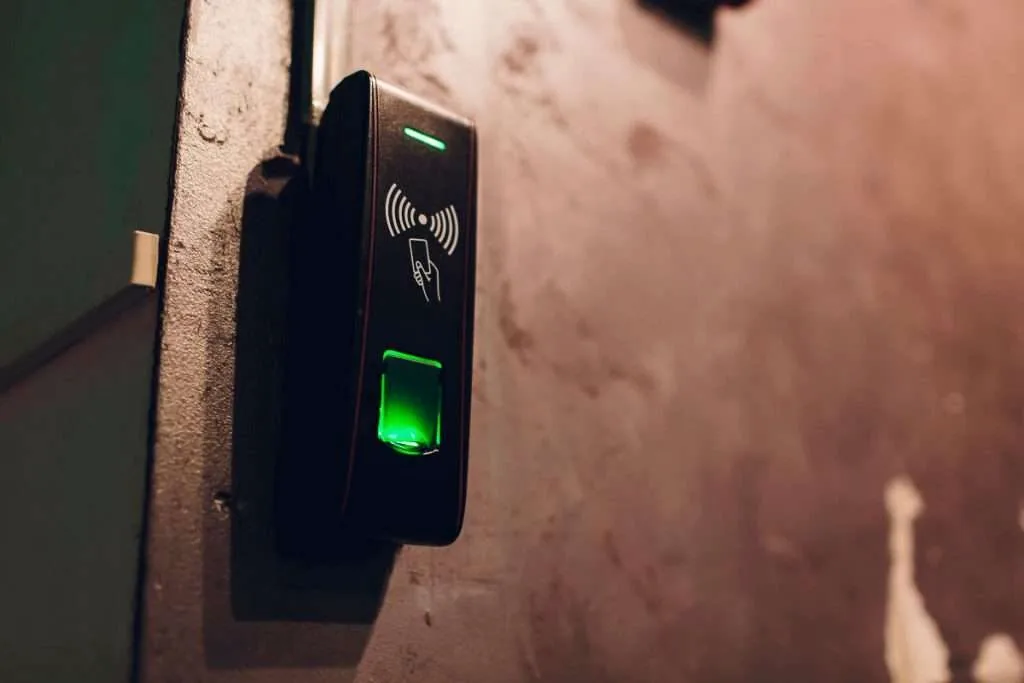
Find the point where the access sequence stops
A controlled door works through a sequence: a reader receives a credential, a controller checks permission, power operates a release device, and the door moves and closes correctly. A failure anywhere in that sequence can be reported as the same complaint: the card works but the door will not open.
Superior Locksmith's access-control service includes diagnosing faults involving readers, credentials, controllers, power, electric strikes, magnetic locks and the door hardware they operate. The scope depends on the installed system, available authorization and the equipment involved. Manufacturer-specific administration or specialist system work may be needed in some cases.
For a Sherman Oaks or Los Angeles building, tell us whether one door, one person or the whole system is affected. That distinction is often more useful than the brand name alone. Report whether the fault is constant, intermittent or linked to a power interruption or recent change.
What the reader tells you, and what it does not
The credential is rejected
The credential may be inactive, outside its permitted time or assigned to the wrong doors. It may also be unreadable or incompatible. The authorized administrator should check the relevant access record before hardware is changed. A valid-looking card is not proof that access permission should exist.
The reader accepts the credential but nothing releases
The controller output, power supply, cabling or locking device may be involved. Reader lights alone do not establish that the release has received the necessary signal and power. The fault needs tracing through the sequence rather than guessing that another reader will solve it.
A release sound occurs but the door stays shut
A latch may bind against its keeper, the door may have moved, or pressure on the assembly may prevent opening. Electronics can be functioning while the door mechanics fail. The lock and opening need assessment together.
The door opens but does not secure again
A closer, latch, release device or control setting may be involved. Describe whether the leaf physically reaches its closed position and whether the locking point engages. A door that looks closed should not automatically be treated as secured.
Start with a record of the fault
Record the affected door identifier, time, credential type and visible behavior. If the authorized administrator has access to logs, note the relevant result without sharing private access records unnecessarily. An intermittent fault is easier to investigate when the conditions under which it appears are known.
Explain recent changes: a new batch of credentials, a controller update, replacement lock hardware, door adjustment, a power outage or work on nearby cabling. The change may be relevant even if it was performed by a different contractor.
Do not publish active access codes, administrator passwords or complete user lists in a website form. The initial enquiry needs system identification and symptoms. Sensitive configuration information should be handled only through the appropriate authorized process when required.
Avoid resetting the controller or deleting and re-enrolling large groups of users as a first experiment. Those actions can remove useful evidence and disrupt working doors. Establish a controlled scope for diagnosis so that one faulty opening does not become a building-wide access problem.
Door mechanics remain part of an electronic repair
An electric strike releases a compatible latch at the frame; a magnetic lock holds through a different physical arrangement; an electrified lockset places the release in the lock itself. They have different installation and operating requirements. A replacement should match the opening's design rather than be selected because it also unlocks electrically.
Alignment, latch engagement, closer operation and mounting condition affect all of them. If the door drags or stops short, credentials may be blamed for a problem that occurs after the electronics have done their job. A mechanical assessment is part of understanding the actual fault.
Where the closer needs attention, see door closer service. Where a storefront cylinder, latch or keeper is faulty, see storefront door lock repair. These services can be related without treating every door fault as a controller failure.
If structural door or frame work is needed, identify that limitation explicitly. The access-control system should not be adjusted to conceal a damaged opening or left depending on a workaround that defeats the intended latch or exit arrangement.
Power, release behavior and safe exit
Power is part of the locking design. Different devices behave differently when power is lost, and backup power may support some functions for a period without making the system independent of its supply. The intended behavior must be understood before replacing a device or changing its wiring or settings.
The inside exit method must also remain appropriate. Request-to-exit devices, push hardware and any interfaces with other building systems are part of the arrangement, not optional accessories that can be bypassed to make a card work. Specific requirements depend on the opening and must be checked for the property.
If occupants cannot leave normally, involve the responsible building representative and address the safety issue appropriately. In an emergency or immediate danger, contact emergency services. Do not disconnect unfamiliar equipment or bridge connections as an improvised repair.
This page does not certify a fire-alarm interface, electrical installation or particular access-control arrangement. If the fault crosses into regulated or specialist work, the appropriate authorized specialist needs to be involved. The locksmith scope should be clear rather than implying every connected building system is included.
Repair, configuration or planned replacement
The investigation should separate a credential-administration error, a defective component and a mechanical fault. Each has a different remedy. Restoring an accidentally removed permission is not the same as replacing a reader, and a worn latch should not be addressed by issuing new cards.
Compatible component replacement depends on the system and available manufacturer information. Reader technology, controller support, power requirements and lock behavior need to work together. A device that can be physically attached may still be unsuitable for the installed system.
For a system that no longer supports the building's needs, an installation or redesign may be more appropriate than repeated isolated repairs. The existing access-control installation page covers planning credentials, doors and administration. That is a separate decision from resolving the immediate fault.
Clarify who will hold administrator responsibility after the repair. Reliable hardware cannot compensate for an access list that is never reviewed. Staff departure, lost credentials and changed responsibilities need an agreed process so inactive people do not retain access through administrative neglect.
Verify the full access cycle
Test authorized entry at the repaired door using the relevant credential types and agreed permissions. Where permissions were changed, check that intended access works and withdrawn access no longer does. The test should be based on the building's authorized schedule rather than trying arbitrary credentials.
Observe the release, door movement, closing and re-securing sequence. Check the normal inside exit method and any relevant monitoring within the agreed scope. A green reader light or a single successful unlock is not a complete demonstration of door operation.
Document the component or setting changed and any remaining issue. Do not claim that all doors or all system integrations have been validated when work covered only one opening. If follow-up from a manufacturer, system administrator or another trade is required, identify what still needs checking.
Preparing a local access-control enquiry
Provide the location, door count affected, system brand if known, reader and lock type, and the exact symptom. Identify the authorized manager and the person with legitimate access to system administration. Photographs of visible equipment help without needing to expose passwords or private user data.
Explain whether alternative authorized entry remains available and whether normal exit is affected. Mention the building's operating constraints so a visit can be scoped realistically. Availability and compatible parts depend on the actual request and are confirmed for the particular enquiry.
Superior Locksmith is based in Sherman Oaks and works across its published service areas. For a broader set of commercial door issues, commercial locksmith services provides the starting point; for camera installation rather than entry control, use video surveillance services.
Common questions
Questions before you book
Request access control repair
Describe the problem and include the hardware or vehicle details that apply. For photographs, use the email link on our contact page.
Identification is required
For any work that provides access to a property, vehicle or safe, the technician will ask for photo identification and evidence that you are entitled to enter. Having that ready keeps the visit short.