
Sherman Oaks & Los Angeles
Storefront Door Lock Repair
If a shop door will not lock at closing time, check its cylinder, lock body, strike and door alignment together.
Tell us the hardware, location and what stopped working.
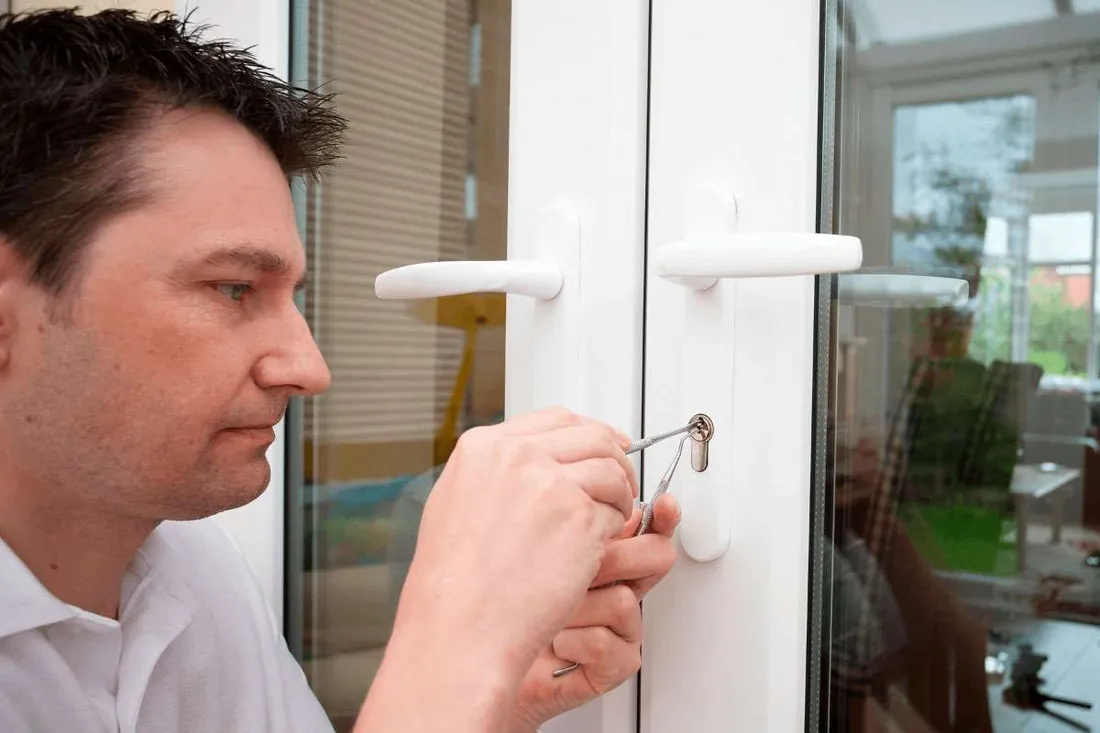
When the shop door will not lock at closing time
A storefront entrance combines a door, frame, hinges or pivots, closer, latch and locking mechanism. If any of those stops bringing the opening into the right position, the key may be where the problem becomes noticeable. Superior Locksmith's commercial work includes examining that assembly rather than assuming every failure requires a new cylinder.
This service concerns the lock and its engagement on a storefront door in Sherman Oaks or the published Los Angeles service area. Typical requests involve a stiff cylinder, a latch that misses its keeper, a hook bolt that will not engage, or a door that has to be pulled into position before it can be locked.
Describe whether the business cannot gain entry or cannot secure the premises. A commercial lockout starts with authorized access; a door that is open but will not lock needs an assessment of its locking and closing hardware. Those are different starting points even when the same door is involved.
Separate cylinder faults from door alignment
The key works with the door open
If the cylinder and bolt operate smoothly open but bind when the door is shut, the receiving part or door position deserves attention. The bolt may be meeting the edge of its keeper rather than entering it. Replacing the cylinder does not move the door back into alignment.
The key is difficult in every position
A worn key, damaged cylinder or internal mechanism may be involved. Keep a working spare available if one exists, and report whether the fault affects every key. Do not keep twisting a compromised key until it breaks in the only operating cylinder.
The door reaches the frame but does not latch
The closer may not be bringing the door fully home, the latch may be worn, or the keeper may be out of position. A door that appears closed is not necessarily secured. Explain whether it rebounds, stops short or needs a final push.
One leaf of a pair behaves differently
On a paired entrance, the relationship between the doors affects locking. Identify which leaf is normally used, which hardware secures the other leaf and whether either one has moved. The assessment may need to cover both sides rather than the cylinder on the active door alone.
Identify the hardware before ordering a replacement
Narrow-stile glass doors often have little room for hardware. Lock body dimensions, bolt form, cylinder connection and the door's preparation determine which replacements are appropriate. An ordinary residential lock should not be assumed interchangeable with commercial storefront hardware.
A mortise lock body contains the working mechanism inside a pocket in the door. A cylinder supplies the key-operated movement, while the lock body translates it into latch or bolt movement. Either can fail independently. The proposed repair should identify the faulty component instead of treating the whole assembly as one part.
If an electric strike or other access-control release is fitted, describe it when booking. A mechanical lock can appear faulty because an electronic keeper is not releasing, and electronics can appear faulty because the door is binding. Where that system needs diagnosis, access-control repair may be part of the scope.
Keep photographs of the lock face, door edge and keeper together. Manufacturer markings, the type of inside handle and any push bar are useful. Do not remove a lock body or loosen a door fitting merely to obtain a photograph if the entrance is still needed for access or exit.
Repair options follow the condition of the opening
An adjustment may restore proper engagement when the hardware is sound and the issue is its relationship to the keeper. Worn or damaged cylinders, latches and lock bodies may need compatible replacement. Loose mounting points and door movement should be addressed within the assessed scope rather than repeatedly adjusting around a worsening problem.
If the door, glass, pivots or frame require specialist work beyond the lock repair, the limitation needs to be identified. A new lock cannot make a damaged glass panel safe or rebuild a distorted frame. Separating those jobs helps the business understand what is being restored now and what still needs attention.
Rekeying is useful when access needs to change, such as after staff turnover or a new tenancy. It does not correct a latch that misses the strike. If both key control and hardware repair are needed, describe both so the final testing covers them separately.
For a master-keyed building or restricted cylinder, confirm who owns and administers the system. An apparently straightforward replacement can remove authorized management access if the keying requirements are overlooked. The master-key systems page explains that planning.
Maintain the entrance's required exit operation
A storefront may serve as both a customer entrance and an exit. Lock repair must preserve the intended inside release and any requirements applying to the actual door assembly. Do not substitute an improvised deadbolt, chain or padlock for a failed exit device without proper assessment.
Tell us whether the opening has a push bar, a fire-door label, electronic release equipment or restrictions imposed by building management. The applicable arrangement must be checked for that property. This page does not certify a hardware combination or replace project-specific requirements.
A closer and exit device can contribute to the same complaint. If the door slams or stops short, see door closer service. If the push bar sticks or the exit latch does not return, panic bar service addresses that part of the assembly.
Test the door as the business uses it
After work, operate the entrance through ordinary opening and closing cycles. Check that the door reaches its keeper, the latch engages, and the key operates without lifting or forcing the leaf. Test from the appropriate sides with the inside release functioning normally.
If the fault happens only at a particular time or after heavy use, report that history. A brief test while the door is held in a favorable position may miss an intermittent alignment issue. The condition under which the business experiences the fault is relevant evidence.
For replacement or rekeying, test all supplied keys and confirm the intended status of old keys. Keep the service information and identify who will report future changes in the door's behavior. Increasing effort at the key is a reason to inspect the entrance rather than train staff to pull harder.
Information for a local service request
Provide the business address and unit, door material, single or paired configuration and whether the premises can currently be secured. Include a contact authorized to approve work and any management restrictions. Mention planned opening or closing needs so availability can be discussed without assuming a fixed arrival time.
For wider work on several openings, start with commercial locksmith services. A storefront lock repair can remain a focused job, while a multi-door rekey or access redesign should be planned as a broader scope. Superior Locksmith is based in Sherman Oaks and covers the communities listed in its service-area directory.
Common questions
Questions before you book
Request storefront door lock repair
Describe the problem and include the hardware or vehicle details that apply. For photographs, use the email link on our contact page.
Identification is required
For any work that provides access to a property, vehicle or safe, the technician will ask for photo identification and evidence that you are entitled to enter. Having that ready keeps the visit short.