
Sherman Oaks & Los Angeles
Panic Bar Service
A sticking push bar or exit door that will not latch needs an assessment that preserves reliable exit operation.
Tell us the hardware, location and what stopped working.
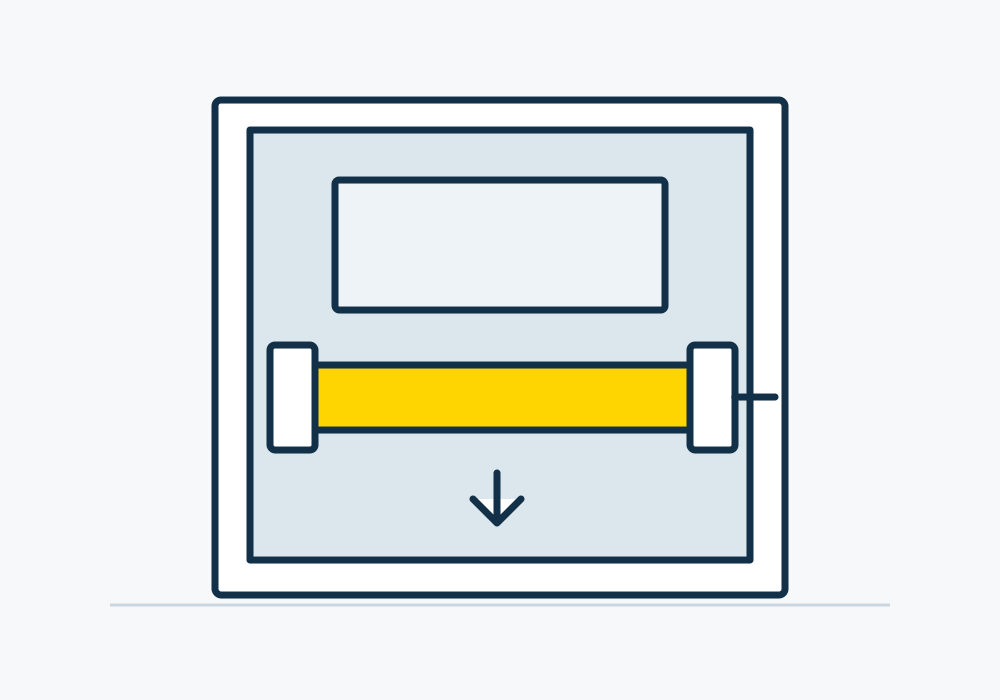
An exit device has to release and latch reliably
A panic bar, or push-type exit device, lets occupants operate a door from inside while the entrance can remain controlled from outside. A bar that sticks, needs unusual force or fails to return is more than an inconvenience. A latch that does not engage after the door closes creates a different problem: the opening may be left unsecured.
Superior Locksmith's commercial work includes panic bars and their relationship to the door, keeper and closer. This page concerns inspection, repair and compatible replacement considerations for existing exit-device hardware. The appropriate device and operation depend on the door and the requirements applying to that opening.
If occupants cannot leave safely, call 911 and notify the person responsible for the premises. A website enquiry is not an appropriate way to request help for someone in danger. Do not improvise a locking arrangement that makes inside release harder.
What to report about the fault
The bar is difficult to push
Resistance may come from the device, its mounting or pressure at the latch. Describe whether the bar moves through its normal travel and whether the door needs to be pushed or pulled at the same time. Avoid forcing a worn assembly repeatedly as a temporary operating method.
The bar moves but the latch stays engaged
The connection between the actuating bar and latch mechanism may be faulty. Different devices use different arrangements, so identifying the actual hardware is necessary before choosing parts. Keep the visible make and model information available.
The door opens but does not secure afterward
The latch may not return, may miss the keeper, or may never reach it because the door stops short. A door-closer fault can therefore resemble an exit-device fault. Testing should cover the full closing cycle rather than only pushing the bar with the door held open.
The outside handle or key behaves differently
Outside trim, cylinders and access-control connections may have their own functions and faults. Tell us whether the complaint affects entry, exit or both. The inside release and the exterior locking arrangement need to be understood separately.
Identify the complete opening
Provide photographs of the full inside face of the door, the device, the latch edge and the outside trim. Include any visible label without removing covers or disturbing the mechanism. Single doors, pairs and assemblies with different latch arrangements can require different compatible hardware.
Tell us whether the door is identified as part of a fire-rated assembly or a required exit, and whether building management specifies the hardware. The applicable requirements must be verified for the actual installation. A product that looks similar is not automatically an acceptable replacement.
Electronic access equipment may interact with the door. If a reader, electric strike, alarm connection or other release arrangement is present, explain what happens when a credential is used and when the bar is pushed. The system must be assessed as an arrangement, not a collection of unrelated parts.
Do not assume a general adjustment will resolve damage caused by a moving door or frame. If the opening has dropped, the latch may be under load in its keeper. Repeatedly replacing device components without addressing that condition can leave the fault recurring.
Assessment and repair considerations
The technician examines operation, mounting, latch engagement and the relationship with the door closer and keeper. The aim is to identify which part of the normal entry, exit and closing sequence is failing. Comparing behavior with the door open and closed can help distinguish a mechanism problem from interference at the opening.
Suitable repair may involve an adjustment or compatible component replacement where the device permits it. A damaged, badly worn or unsuitable assembly may need replacement instead. Parts must match the device and the door's requirements; improvised substitutions are not an appropriate way to restore an exit function.
Before replacement, confirm the scope with the authorized property representative. The work should account for exterior access, inside release, door preparation and any connected systems. A new bar should not silently remove an existing function that the building depends on.
If another trade or specialist is needed for door, frame or system work, that boundary should be identified. This service does not promise that every fault can be resolved by changing the bar alone, or that a general webpage establishes compliance for a particular building.
Avoid workarounds that hide the problem
Taping back a latch, disabling a mechanism or using unrelated hardware to hold the door shut can defeat the intended operation. These measures may also leave staff unsure whether the entrance is actually secured. Report the malfunction and involve the responsible manager rather than treating the workaround as a repair.
Do not adjust unfamiliar screws or internal parts at random. Product-specific instructions and the condition of the assembly matter. An adjustment that changes one aspect of operation can affect another, particularly where the door also has a closer or electronic release.
If staff have learned a special motion to make the door work, describe it. Needing to lift a door, strike the bar twice or pull the leaf hard while pressing is useful evidence of a persistent fault. It should not be accepted as the normal operating procedure after the repair.
What to check at handover
Test inside release, door closing, latch engagement and the permitted outside-entry method. The bar should operate as intended without an improvised sequence. A test performed only while the door is held open does not establish that the latch works properly against its keeper.
For an electronically controlled entrance, confirm the relevant credential and release behavior with the authorized system administrator. Document any remaining door or system issue separately so a working push bar is not mistaken for completion of unrelated work.
Keep the device identification and service information available for future maintenance. When the door starts dragging, slamming or failing to latch, report the change promptly. These symptoms can place new loads on hardware that was operating correctly when last serviced.
Arrange commercial exit-hardware service
Give the Sherman Oaks or Los Angeles location, the door's role, the observed fault and whether normal exit is currently affected. Identify the person authorized to approve repairs and any building-management requirements. Photographs and visible model details help prepare for an appropriate assessment.
The commercial locksmith page explains broader door-hardware work. Use storefront door lock repair for related cylinder or locking faults, and access-control repair when reader-controlled equipment is involved. No response time or product availability is promised without discussing the actual request.
Common questions
Questions before you book
Request panic bar service
Describe the problem and include the hardware or vehicle details that apply. For photographs, use the email link on our contact page.
Identification is required
For any work that provides access to a property, vehicle or safe, the technician will ask for photo identification and evidence that you are entitled to enter. Having that ready keeps the visit short.