
Sherman Oaks & Los Angeles
Commercial Building Lockout Service
An office or shop cannot be opened? Confirm who can authorize entry, then arrange access and check the failed hardware.
Tell us the hardware, location and what stopped working.
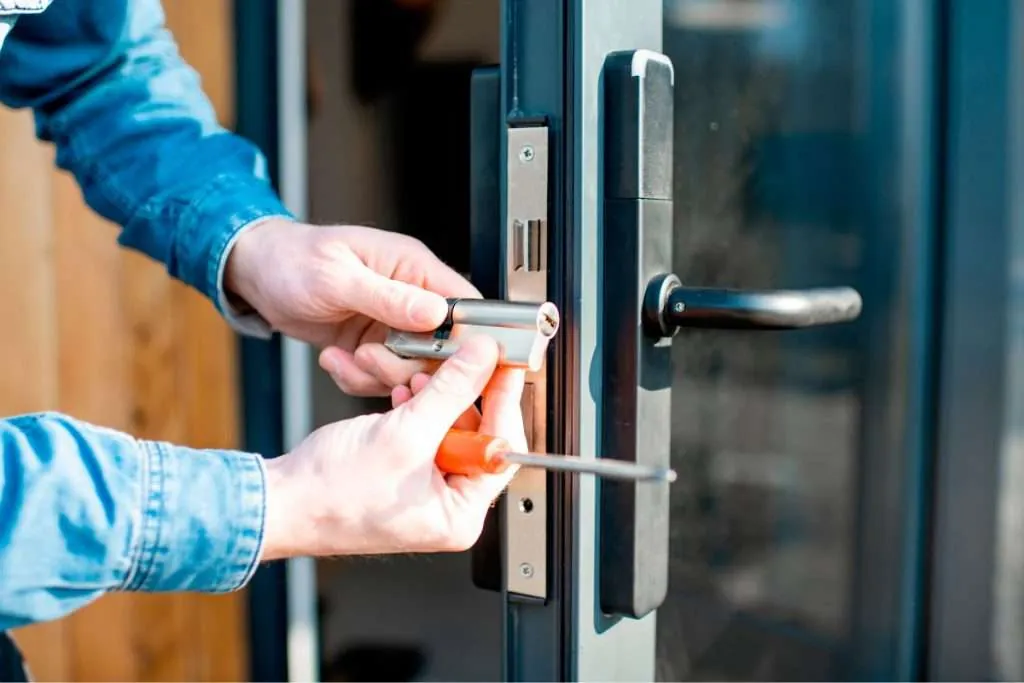
A locked business entrance needs a clear authorization chain
A shop that cannot open for the day, a suite whose key has gone missing, or an office door with a failed lock can interrupt business even when the rest of the building is accessible. Commercial lockout service concerns authorized entry and identifying the hardware fault that caused the problem. It does not replace a building manager's authority over shared entrances or controlled systems.
Superior Locksmith serves commercial premises in Sherman Oaks and the published Los Angeles service area. When you call, identify the affected door, the type of premises and the person who can authorize work. For leased units, that may involve a manager or owner as well as the person waiting at the entrance.
Explain whether the problem is a missing key, a key that will not turn, an electronic credential that is rejected or a door that remains closed after the lock releases. Those observations separate several different services before anyone arrives. A working credential with a binding latch is not the same issue as an employee whose access permission has been removed.
Identify the door before choosing an approach
Your own unit entrance
A tenant may be able to authorize work on a suite door, subject to the lease and building's key arrangement. Tell us whether the cylinder belongs to a master-key system. Replacing it without accounting for authorized management access can disrupt the building's operation even if the tenant's new key works.
Shared or managed access
A lobby, loading entrance, common stair door or shared gate generally needs approval from whoever manages that opening. Arrange contact with that person rather than assuming any occupant can authorize a change. If access control is involved, the administrator may need to check the credential before physical work is considered.
A locked room within the premises
An internal office, storeroom or records room may have a separate access policy from the main entrance. Identify the room and the authorized requester. Having a key to the building does not necessarily authorize entry to every locked space inside it.
Distinguish a lockout from a hardware failure
A lost key is an access problem. A worn key, damaged cylinder, failed latch or dragging storefront door is a mechanical problem that may also prevent entry. Opening the door without addressing a persistent fault can leave the business facing the same lockout at the next closing or opening time.
For a key-operated door, report whether the key enters fully, turns partially or rotates without effect. If a spare behaves differently, keep both keys available. If the door has required lifting or pulling for weeks, describe that history. It can point toward a door-and-strike issue rather than a sudden failure of the cylinder.
For an electronic entrance, note the reader indication and any message or sound. Is the credential rejected, accepted without release, or accepted with a click while the door stays shut? Those are useful distinctions. Do not repeatedly reset the controller or remove unrelated credentials while trying to diagnose a single door.
If the door is visibly damaged, identify whether the frame, glazing, lock or closer has been affected. Structural or glass damage may require work outside the locksmith scope. If forced entry is suspected, follow the appropriate reporting process before altering the scene.
Entry, assessment and a working entrance
The technician verifies authorization and inspects the locking arrangement. The assessment considers the door material, lock type, condition, access-control connections and any restrictions on altering the opening. Commercial glass doors, timber suite doors and metal service entrances are not interchangeable.
Entry methods that preserve the hardware are considered where the circumstances allow them. A particular result cannot be promised without inspecting the lock. If a damaged component needs to be removed or replaced, the proposed work and its implications should be explained before proceeding.
After entry, the lock is tested in normal use. Where the original fault remains, the next decision may be storefront lock repair, cylinder work, or access-control repair. A door should not be left depending on an improvised workaround that prevents normal inside release or leaves the building unsecured.
If the missing key could still be used by someone who should no longer have access, discuss changing the keying or credential. Opening the door does not revoke a lost key. In a master-keyed property, the effect on other keys and management access must be understood before any change.
Keep exit operation separate from entry security
A commercial entrance may also be part of an exit route. A device that keeps unauthorized people out must not be altered casually in a way that prevents occupants from leaving. A malfunctioning push bar, exit latch or closer deserves assessment of the actual opening, not a temporary padlock added as an assumed solution.
Do not defeat an exit device to work around a lockout. If people cannot leave normally, treat the safety issue appropriately and involve the building's responsible person. Specific fire-door and egress requirements depend on the property and hardware; this page is not approval for a particular installation.
Where the complaint is actually that a business cannot lock up, rather than cannot gain entry, describe that explicitly. The emergency locksmith service covers openings that cannot be secured, and the commercial repair pages address the hardware involved. That distinction helps the team prepare for the right work.
Information for the person arranging the visit
Give the business name, address, unit number and a reachable contact. Identify the door from the outside so the technician does not arrive at a locked shared entrance with no way to reach the requester. Include management contact details if the requester cannot personally authorize the necessary work.
- Is anyone inside, and can occupants leave normally?
- Is the affected lock mechanical, keypad-operated or connected to access control?
- Does another authorized entrance remain available?
- Is there a working spare key or valid credential?
- Does the building use master keys or restricted cylinders?
- Was the lock damaged, drilled, reset or dismantled before the request?
Photographs of the lock face, door edge and reader are useful when safe to obtain. Do not send access codes or private keying records in a general enquiry. Those details should be handled through the appropriate authorized process if needed.
Preventing the next opening-time problem
Once the door works, record who holds the keys or administers credentials. Keep an authorized spare-key arrangement and a management contact available. Staff changes, lost keys and unexplained copies should trigger a review rather than relying on verbal assurances that all keys have been returned.
Pay attention to early symptoms: keys that need repeated attempts, doors that scrape, latches that only engage after a push, and reader errors that are becoming more frequent. Addressing the cause before a complete lockout gives more room to plan repairs and compatible parts.
For broader work across several entrances, see commercial locksmith services and master-key systems. A lockout visit can identify a wider problem, but a building-wide hardware or access redesign should be scoped as its own project.
Common questions
Questions before you book
Request commercial building lockout service
Describe the problem and include the hardware or vehicle details that apply. For photographs, use the email link on our contact page.
Identification is required
For any work that provides access to a property, vehicle or safe, the technician will ask for photo identification and evidence that you are entitled to enter. Having that ready keeps the visit short.