
Serving Los Angeles County from Sherman Oaks, CA

Automotive Locksmith Services

Trunk Unlocking

A key inside the trunk or a release that will not operate calls for authorized, vehicle-specific access assessment and a clear plan for any remaining fault.

Sherman Oaks & Los Angeles · Scope and compatibility checked before work

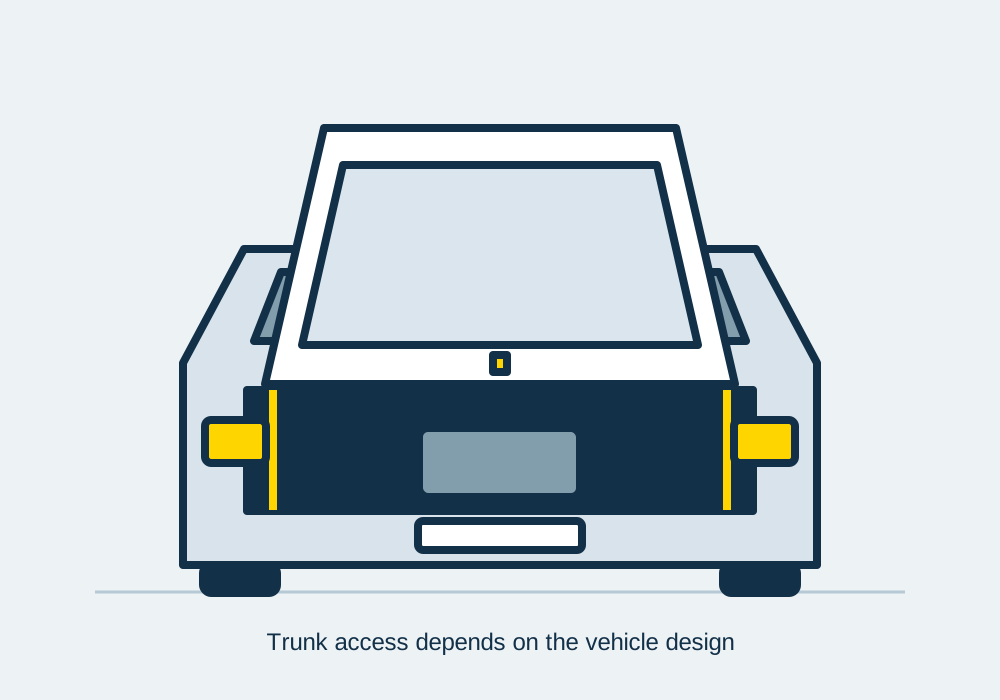
Illustration of a vehicle trunk, rear lid and luggage compartment
Service illustration; actual hardware and supported work vary.

01 / Service overview

Explain the access problem at the rear of the vehicle

A trunk that will not open can leave you with an accessible passenger compartment but no way to reach the luggage area. Another situation is a key placed in the trunk before the lid was closed.

These requests need a description of what remains accessible and how the trunk normally operates, rather than a general statement that the whole vehicle is locked.

Service scope

Superior Locksmith Service's documented automotive offerings include trunk unlocking when access is prevented by a misplaced key or an operating problem. The vehicle design and condition determine the supported approach.

This page concerns authorized access to the luggage compartment; it does not promise repairs to every powered liftgate, body component or electrical system.

Access and operation

Tell us the make, model and year, whether the passenger doors open and whether a working key remains. Describe what happens when you use the normal trunk release.

Access and repair are separate decisions: opening the compartment does not by itself establish why the original release failed.

02 / Describe the problem

Three situations need different information

The key is believed to be inside the trunk

Explain when the compartment was last open, whether the key was placed inside and whether any spare is available. State whether the passenger area is also locked.

Do not assume that a method used on a different vehicle applies to yours, and avoid forcing the lid or surrounding trim while waiting for an assessment.
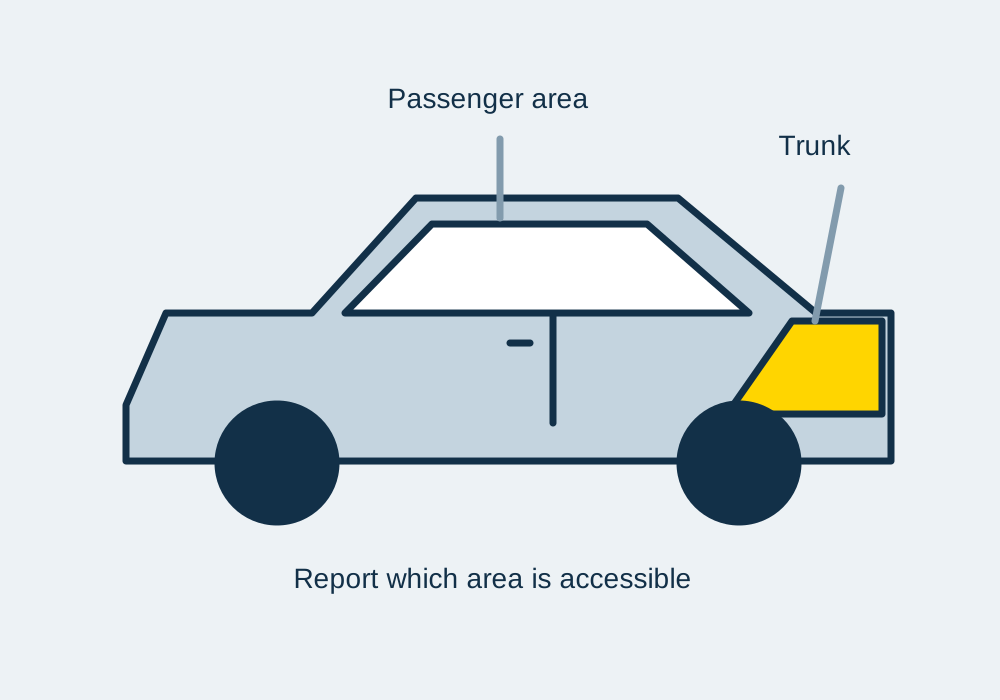
The key or remote works elsewhere but not at the trunk

If the doors respond normally while the trunk does not, report that distinction. Describe any response from the usual release, such as a sound or an indicator, without repeatedly operating it to force a result.

The problem may require a different assessment from a vehicle where no part of the key works.

The trunk was already difficult to open or close

Mention resistance, an inconsistent latch or earlier body work. A complaint that developed over time differs from simply leaving a key inside.

If the lid appears misaligned or has been damaged, explain that before access work is arranged. Some conditions may need a body or other automotive specialist after the access question is addressed.

03 / Hardware check

Identify the compartment and the normal controls

Locate the access problem — service hardware illustration
Tell us which compartment opens, which remains locked and which controls respond.

Compartment type

Use the vehicle's own terminology if you know it, or describe the opening in ordinary language. A separate sedan trunk, a hatch and a powered rear opening can have different designs.

The office needs to know which compartment is involved before the available service can be discussed.

Normal controls

Describe how you normally open it: a mechanical key, a remote button, a switch in the vehicle or another manufacturer-provided control. This is identification information, not a request to dismantle or bypass those controls.

If you have the owner's manual, retain it for the supported operating information relevant to the model.

Vehicle modifications

Explain whether the vehicle has been modified or whether an aftermarket system is involved. The presence of a familiar badge or body style does not establish the exact locking arrangement.

Any supported work must be matched to the actual vehicle rather than inferred from a broadly similar car.

04 / Before work begins

Establish ownership and authority to proceed

Ownership evidence

Trunk access is still vehicle access, even when the passenger door is already open. Identification and evidence of entitlement are required.

Ask what records should be available and explain if the documents are inside the inaccessible compartment or vehicle.

Company or rental vehicles

For a rental, leased or company vehicle, identify the party that can authorize work. An employer or rental provider may have its own route for arranging assistance or approving changes.

Bring that information into the initial conversation rather than assuming the person holding a remote can authorize every form of work.

Private information

Do not send private identification, access codes or documents showing sensitive personal details in the initial website form. The first message should explain the vehicle, location and access problem.

Further verification should follow the process specified for the request.

05 / Consider the options

Keep access and diagnosis as separate parts of the request

Access first

The first question is whether authorized access can be supported for the vehicle in its current condition. The second is what needs to happen afterward if the trunk still does not operate normally.

These may be related, but they should not be combined into an undefined promise to repair everything at the rear of the vehicle.

Key and lock work

If a key is missing or damaged, car-key programming or a replacement-key enquiry may be relevant after compatibility is checked. If a mechanical lock is involved, describe its symptom.

The broader automotive service page explains the existing vehicle locksmith scope.

Other vehicle repairs

Damage to body panels, hinges, powered movement systems or unrelated vehicle wiring can fall outside that scope. If the assessment identifies such a condition, ask what information should be retained for the appropriate specialist.

A clear distinction between access work and later repairs helps you decide what to authorize.

06 / Prepare your request

Describe the location and working conditions

Actual location

Provide the actual vehicle location, including whether it is in a managed garage, on private property or another area with access restrictions. Explain who can meet the technician and whether a gate, attendant or property manager controls entry to the site.

Space around the vehicle

Mention physical conditions that affect reaching the rear of the vehicle, such as being parked close to a wall or having items surrounding it. Do not move a vehicle in an unsafe or unauthorized way merely to improve access.

Discuss what is practical before assuming it needs to be relocated.

What needs retrieving

If the trunk contains an item you need to retrieve, describe the access requirement without disclosing unnecessary personal details. An enquiry can be assessed from the vehicle and lock information; it does not require an inventory of private belongings.

07 / What to review

Avoid creating a second repair problem

Avoid force

Forcing trim, prying the lid or using a tool found online can damage components without establishing the cause of the lockout. It can also change the condition that the technician needs to assess.

Keep a record of what has already been attempted, including work by another provider.

Use normal controls

Do not assume that reaching the compartment through the passenger area is an available or appropriate option for every model. Seating, locks and access arrangements vary.

Use only the vehicle's normal authorized controls and the manufacturer's instructions while the request is being evaluated.

Partial closure

If the lid is partly open, damaged or unable to latch, describe that as a separate condition. The fact that belongings can be reached does not mean the vehicle is ready for normal use.

Ask about the appropriate next step rather than treating an incomplete closure as a completed access job.

08 / Assessment and handover

Review operation after access is restored

  1. Recover access

    Once access is obtained, review the agreed checks before considering the request complete. If the key was left inside, confirm it has been recovered and discuss its normal operation.

    If the release had already been unreliable, establish whether that behavior remains and what further assessment is required.

  2. Keep the key accessible

    Do not place the only working key back in the compartment while testing an unresolved problem. Follow the instructions given for the vehicle and the agreed service.

    Ask whether the trunk has been checked for normal opening and latching, or whether access only was the approved scope.

  3. Record unresolved faults

    Keep a record of any remaining fault. A service outcome can be specific: authorized access restored, keys recovered, a release issue identified for further attention.

    That is more useful than assuming every related problem has been resolved because the lid opened once.

09 / Discuss the service

Request trunk access with the relevant details

Superior is based in Sherman Oaks and has an existing Los Angeles service area. Give the vehicle's actual location when asking about service so scope and availability can be checked.

The service-area directory lists existing local destinations; it does not establish support for a particular vehicle system.

Use the contact page to send the make, model, year, whether the doors open and whether any working key remains. The lost-car-key preparation guide can help if the request also involves a missing key.

Photographs can be discussed through the contact email; the website form accepts text details only.

Common questions

Questions before you book

No universal vehicle or equipment claim is made. The model, locking arrangement and fault need to be checked before work is agreed. A powered rear opening can involve components outside locksmith access work. Explain the actual compartment and how it normally operates.

Yes. A trunk request may involve an accessible passenger compartment and a separate release problem. State which areas are locked and where the key is believed to be. If the whole vehicle is locked, include that information so the full access request can be assessed.

Not necessarily. Opening and correcting the underlying fault are separate outcomes. The condition of the release and latch should be reviewed, and any supported repair or referral explained. Do not assume that access work includes parts or additional repairs unless they are part of the agreed scope.

Tell the office that no spare is available and whether the passenger doors are accessible. Have the ownership information ready and avoid forcing the vehicle. If the key is recovered, keep it outside the trunk while any remaining operating issue is assessed.

Discuss trunk unlocking

Describe the hardware, the problem and your location. Keep working codes and passwords out of the message.

Photographs of the lock face, door edge or key help us identify the hardware before a visit.

We use these details to respond to your request. See our privacy policy. Access work requires proof of ownership or authorisation.

Identification is required

For any work that provides access to a property, vehicle or safe, the technician will ask for photo identification and evidence that you are entitled to enter. Having that ready keeps the visit short.