
Sherman Oaks & Los Angeles
Safe Lock Repair & Servicing
Address unreliable keypads, worn locks and combination changes without assuming the entire safe needs replacing.
Tell us the hardware, location and what stopped working.
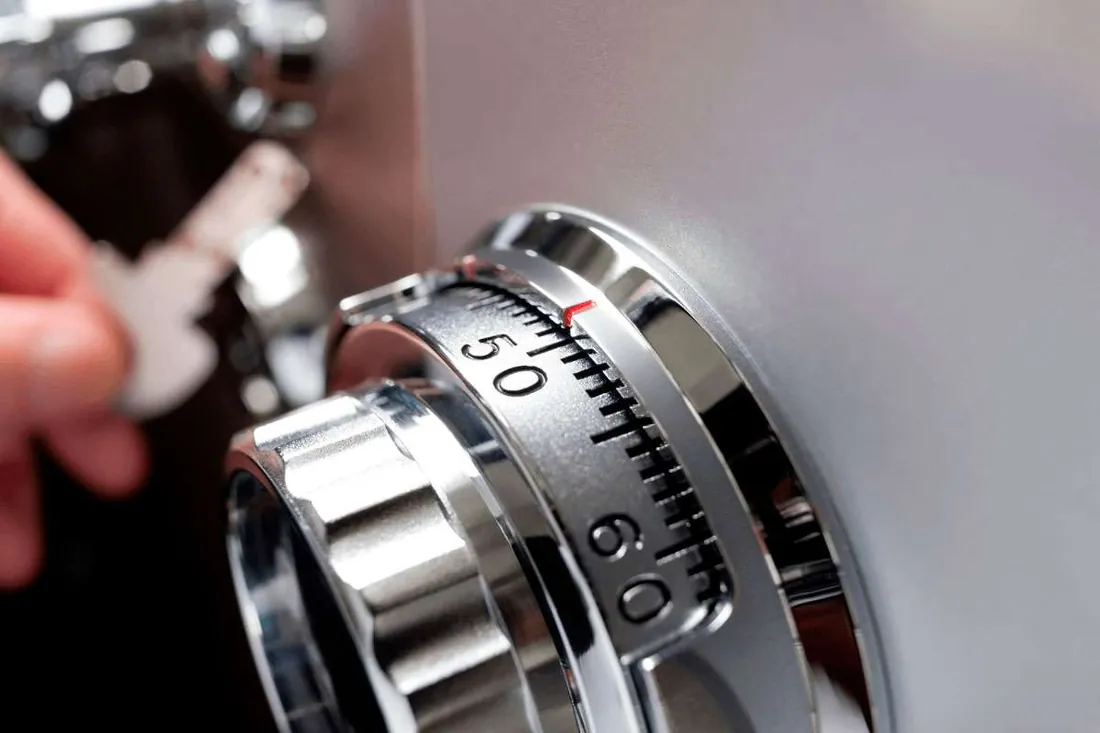
Repair the fault that made the safe unreliable
A keypad that responds inconsistently, a dial that no longer feels normal or a handle that moves without retracting the bolts can indicate different faults. The electronic input, lock and boltwork have separate jobs. Replacing the most visible part without identifying the failure may leave the safe unreliable.
Superior Locksmith's safe services include lock diagnostics, combination changes, compatible lock replacement and servicing for supported home and office safes. The appropriate work depends on the make, model, lock type and condition. Some units require manufacturer support or a specialist familiar with their construction.
Tell us whether the safe is open now. An open safe with an intermittent fault should not be repeatedly closed to demonstrate the problem. If it is already locked shut, safe opening may need to be assessed before internal servicing or lock replacement can proceed.
Separate the lock from the boltwork
The lock controls whether the mechanism is permitted to move. The boltwork physically secures the door. A successful keypad response does not prove that every mechanical component is moving, and a freely turning handle does not necessarily mean the lock has released correctly.
On a mechanical dial lock, an internal fault can change the feel or behavior of the dial. On an electronic unit, batteries, keypad connections, electronics or the locking element may be involved. A keyed safe has another set of cylinder and operating-part considerations. The word repair does not describe one interchangeable procedure for all three.
The assessment should identify the affected part and explain what the proposed work will restore. If the door, frame or bolt assembly is damaged, that needs to be distinguished from replacing an otherwise compatible lock. A service visit should not imply that structural damage or a safe's original protection rating has automatically been restored.
Symptoms to describe before the visit
Power or keypad behavior has changed
Report whether the keypad is blank, intermittent, accepting a code or displaying an error. Follow the manufacturer's normal battery-replacement instructions where accessible, and describe whether fresh batteries changed the behavior. Do not assume every keypad uses the same reset or programming sequence.
The safe recognizes input but will not release
Tell us what sounds or handle movement follow the input. A release signal and a jammed bolt mechanism are different from a code that is rejected. Avoid forcing the handle or trying to overcome resistance with an extension or improvised tool.
The dial or key has become stiff
Progressive resistance deserves assessment before it becomes a complete lockout. Explain whether the symptom appears with the safe door open as well as closed, if you can observe that safely without recreating the fault. Keep any remaining keys and service records available.
The safe was recently moved or struck
Movement, impact or pressure from contents can affect operation. Describe the event and any visible damage. Do not assume a lock replacement is the appropriate response until the entire symptom has been assessed.
Combination changes are planned access changes
A combination may need changing after staff turnover, a move or an uncertain history of who knows it. That is different from repairing a failed lock. Identify the authorized person who can approve the change and decide who will receive the new access information.
Mechanical and electronic locks use different change procedures. The exact method depends on the lock and the required authorization or current code. This page does not provide a generic combination-change sequence that could be applied to incompatible hardware.
Test a changed combination repeatedly with the safe door open before closing it. The instructions for the installed lock should determine the correct sequence and any user-code arrangements. Closing the door before the new setting has been verified can turn an access update into a lockout.
Do not send the active combination through a general website enquiry. The initial request needs the model, lock type and purpose of the visit, not the private code. Handle access information through the appropriate authorized process when it is actually required.
When replacing the lock may be appropriate
A safe can sometimes retain its body and door while receiving a compatible replacement lock. That possibility depends on the mounting, boltwork interface, dimensions and requirements of the unit. An apparently similar keypad or lock body is not enough to establish interchangeability.
The proposed replacement should be assessed for the actual safe and intended use. A different lock may change operation, user-code management or the way access is recovered after a battery issue. Those differences need to be understood before the old hardware is removed.
Do not assume a replacement preserves every certification, rating or manufacturer-supported feature of the original safe. Where those matters affect the owner's requirements, they must be checked for the specific safe and lock. No rating or certification is claimed simply because a new lock operates the door.
Replacement should address a demonstrated fault or an agreed access requirement. A worn handle mechanism, obstructed boltwork or damaged door may remain a problem even with new locking electronics. Ask what is being replaced and what evidence supports that choice.
Servicing without guessing at lubrication or adjustment
Safe mechanisms are not all intended to be treated with the same lubricant or adjusted in the same way. Adding oil through a keypad opening or flooding a lock because it feels stiff can introduce problems rather than solve them. The appropriate maintenance follows the identified hardware and its instructions.
Servicing considers the fitted lock's operation and the accessible mechanism within the agreed scope. Wear, looseness and resistance should be distinguished from a normal characteristic of the unit. If specialist or manufacturer involvement is needed, that limitation should be made clear.
Usage matters. A business safe opened throughout the working day experiences a different pattern from a household unit opened occasionally. Describe how it is used and how often the symptom appears, without assuming that frequency alone proves a specific component has failed.
The aim is dependable operation within the supported service scope, not a claim that maintenance makes every safe indefinitely reliable. Keep the model and service history available so later work starts with known information rather than a fresh guess about the hardware.
Check the result before returning the safe to use
Test the agreed opening and closing sequence with the door open first. Confirm the combination or key arrangement, then check normal closed-door operation when appropriate. All authorized users who need to operate the safe should understand the sequence rather than relying on a single person to remember an undocumented workaround.
If an electronic lock supports several user codes, clarify which were changed and which remain valid within the work performed. A code change should not silently leave an old credential active when withdrawing that access was the purpose of the visit.
Record any remaining fault or separate work that has not been completed. A repaired lock does not imply safe relocation, anchoring, structural repair or reassessment of its suitability for particular valuables. The safe locksmith overview covers broader planning considerations.
Preparing a Sherman Oaks or Los Angeles enquiry
Provide the make and model, lock type, current open-or-closed state and a description of the fault. Explain whether the request is repair, a combination change or a proposed lock upgrade. Have the owner's or authorized manager's approval ready.
Photographs of the front and visible identification help. Do not move a heavy safe or expose private contents solely to take them. Tell us about access restrictions, anchoring and available working room so the appointment can be scoped realistically.
Superior Locksmith serves the published Los Angeles service areas from Sherman Oaks. The team reviews the safe information before confirming whether the work can be supported; this page does not promise parts, methods or completion times for an unidentified safe.
Common questions
Questions before you book
Request safe lock repair & servicing
Describe the problem and include the hardware or vehicle details that apply. For photographs, use the email link on our contact page.
Identification is required
For any work that provides access to a property, vehicle or safe, the technician will ask for photo identification and evidence that you are entitled to enter. Having that ready keeps the visit short.