
Serving Los Angeles County from Sherman Oaks, CA

Residential Locksmith Services

Deadbolt Installation

Adding or replacing a mechanical deadbolt starts with door preparation, compatible hardware, key arrangements and checks of the completed installation.

Sherman Oaks & Los Angeles · Scope and compatibility checked before work

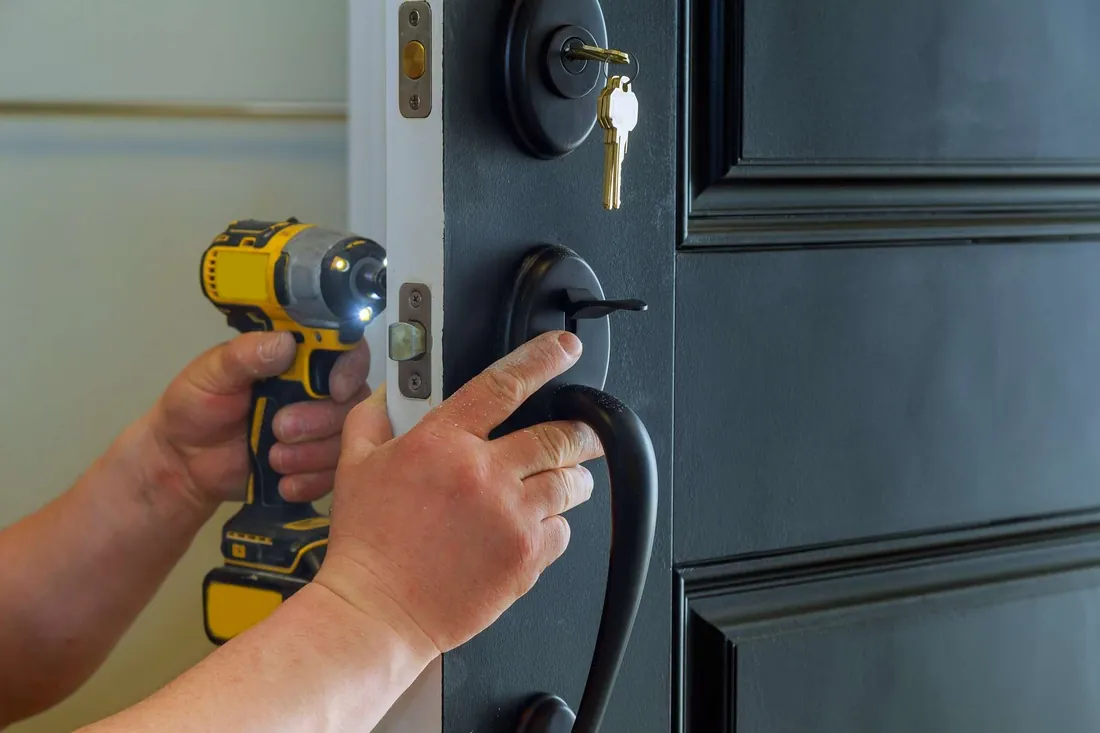
Door hardware being fitted beside a mechanical deadbolt
Relevant service image; not presented as a documented customer job.

01 / Service overview

Fit the deadbolt to the door you have

A deadbolt installation begins with the opening, not the box containing the new lock. The door needs enough suitable material to hold the hardware, the bolt needs a clear path into the frame, and the people using the entrance need an appropriate way to operate it.

A lock that looks suitable online can still be the wrong fit for the existing preparation.

The service

Superior Locksmith Service's residential work includes deadbolt installation and compatible replacement hardware. This page covers the choice and fitting of a mechanical deadbolt, with attention to door condition, key arrangements and completion checks.

If you want keypad or connected entry, the separate smart-lock installation page explains that work.

Your starting point

Tell us whether you are adding a deadbolt, replacing one in an existing opening or investigating a lock that has become difficult to use. Those requests can involve different preparation and parts.

A photograph of the inside, outside and door edge can help describe the opening, but measurements and condition may still need to be checked in person.

02 / What we handle

Three situations to distinguish

Adding a lock to an unprepared door

A door without an existing deadbolt opening needs an assessment before it is drilled. Material, available space, nearby glass, the existing handle and the corresponding frame area all matter.

Some doors have construction or hardware restrictions that limit what can be added. Establish suitability and permission before buying a lock or altering the door.
Replacing an existing deadbolt

Replacement is a compatibility question as well as a choice of appearance. The new bolt and assemblies must suit the door thickness, existing holes and available frame space.

An old trim plate may conceal damage or a nonstandard opening. A replacement should be selected around those findings rather than relying only on a similar-looking exterior.

Changing which key works

If the deadbolt operates properly and the concern is an unknown key history, a new lock may not be necessary. Ask about rekeying a compatible cylinder.

The Sherman Oaks rekeying page is the existing detailed destination for that service. Rekeying changes access; it does not resolve loose mountings, worn lock parts or a misaligned door.

03 / Hardware check

Measurements and condition come before selection

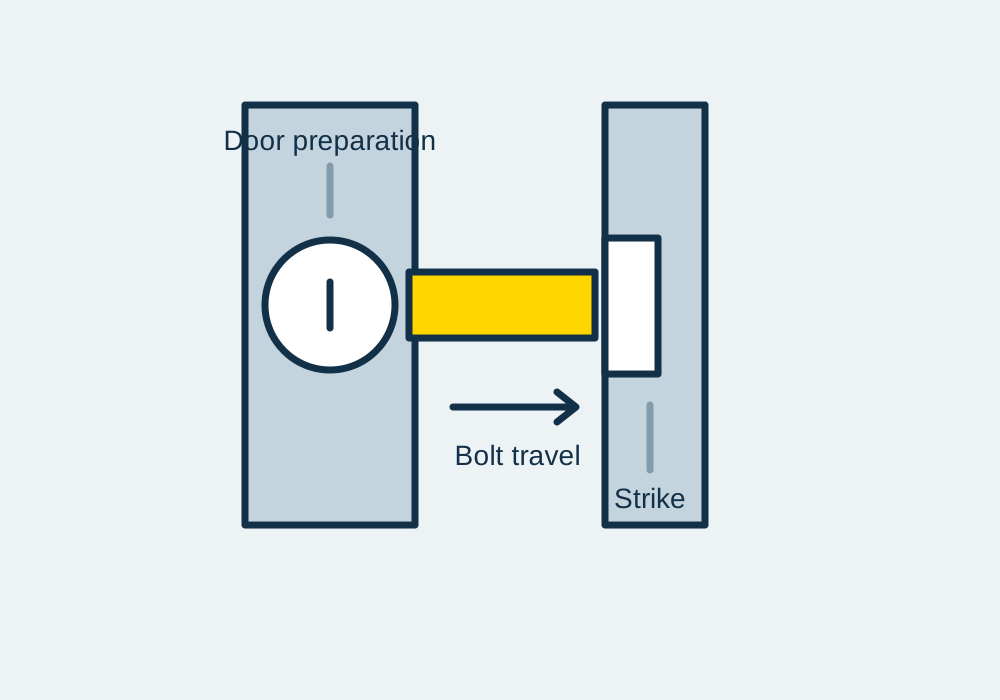
Door, bolt and strike — service hardware illustration
A compatible lock needs suitable preparation and a clear path into the frame.

Measurements

Useful measurements include the door thickness, the distance from the door edge to the cylinder center and the existing preparation. The technician also needs to consider the shape and location of the strike opening.

Manufacturer requirements govern the selected product; there is no reason to assume every door uses the same dimensions.

Door condition

Door condition can change the scope. A split edge, loose hinge, damaged frame or rubbing door may need attention before a new lock can operate normally.

Some issues fall within lock fitting and adjustment; structural repairs or replacement of the door itself may require another trade. The distinction should be explained before additional work is approved.

Operating clues

Tell us if the door behaves differently at different times or if you have to lift, push or pull it while turning the existing key. These observations help describe the relationship between the door and frame.

They are more useful than assuming that a stronger or larger lock will compensate for the problem.

04 / Before work begins

Choose an operating arrangement people can use

Everyday use

A deadbolt needs to suit the way an entrance is used from both sides. Consider who uses the door, how it is opened from inside and whether the opening belongs to a managed or shared property.

Do not select a key-operated interior simply because it appears more secure in a product photograph. Exit requirements and the actual application need appropriate review.

Permission

For rental property, confirm who can authorize a change and who must receive keys afterward. For a shared entrance, involve the responsible owner or manager.

A resident's authority over an individual dwelling does not establish authority over the common entrance or another occupant's lock.

Keys and finish

Appearance can then be considered alongside operation. Finish, trim size and handle clearance matter, but they do not establish mechanical compatibility.

If matching the other doors is important, mention it before parts are selected. Also explain whether you want the new cylinder to work with an existing key, because compatible key arrangements cannot be assumed from matching finishes.

05 / Assessment and handover

Agree the work before preparation begins

  1. Define the scope

    The assessment should establish which door is included, whether the existing opening can be reused and what hardware is being considered. It should also identify any condition that prevents a straightforward installation.

    Ask what is included in the proposed work and what would require a separate decision if uncovered during fitting.

  2. Coordinate other work

    If the installation is part of a larger renovation, explain the sequence of other work. Painting, changes to trim or replacement of door components can affect when final fitting and checks should take place.

    The person coordinating the property should identify which conditions are temporary and which represent the finished entrance. A lock assessment made while the door is incomplete should not be treated as approval of the eventual assembly.

  3. Prepare and fit

    The installation involves preparing or using suitable openings, fitting the bolt and operating assemblies, securing the hardware and aligning the strike. This is an overview of the work, not a drilling guide: the method depends on the door and the manufacturer's instructions.

    Avoid pre-drilling from an unrelated template before compatibility has been confirmed.

  4. Check the finish

    Existing finishes and nearby hardware need consideration too. If earlier locks left exposed holes or damaged areas, discuss whether the proposed trim addresses them and where cosmetic work sits outside the lock installation.

    Agreeing those limits avoids treating a hardware change as a promise to restore the whole door surface.

06 / What to review

Check the result with the door in use

Door open and closed

The completed deadbolt should be checked with the door open and closed. Turning the key or interior control with the door open checks one part of the system; operating it against the frame checks another.

The door should not need an unexplained lifting or pulling routine to make the bolt engage.

Keys included

Confirm which supplied keys operate the lock and whether any agreed keyed-alike arrangement works on the other included doors. Keep the scope specific.

If only one cylinder was changed, keys for unrelated locks retain their existing function unless separate work was agreed.

Normal operation

Ask for the relevant product instructions and clarification of normal operation. If the hardware still feels inconsistent, describe the difference before the job is considered complete.

A new installation should be assessed on how it works at the entrance, not only on whether the exterior trim sits neatly against the door.

07 / Prepare your request

Prepare the entrance and the key plan

Access to the entrance

Make the door accessible from both sides where authorized and practical. Move items that obstruct the work area, arrange control of pets and identify who can approve decisions about the opening.

If a manager needs to attend or provide access, coordinate that before the appointment is arranged.

  • State your location and the number of doors involved.
  • Explain whether the door already has a deadbolt opening.
  • Describe binding, loose hardware or visible damage.
  • Mention restrictions on altering the door or frame.
  • Bring the working keys for any proposed matching arrangement.
  • Decide who should receive the final set of keys.

Property handover

Use the moving-home lock checklist if the installation is part of a property handover. It helps separate missing keys, electronic accounts and repair items so each can be addressed through the appropriate service.

08 / Discuss the service

Request a door-specific assessment

Superior is based in Sherman Oaks and has an existing Los Angeles service area. Provide the actual address or neighborhood when discussing a visit so location and scope can be checked.

The residential services page covers related lock work; the service-area directory lists the current local destinations.

For photographs, use the email contact shown on the contact page. The website form accepts written details and has no upload field.

Avoid including private entry codes or an image that identifies the exact cuts of a working key when a general door photograph would explain the request.

Common questions

Questions before you book

Possibly, when the cylinders and key system are compatible. Provide the existing key and details of the locks you want included. Similar brands or finishes do not by themselves confirm compatibility. If different hardware is needed, the options should be explained before you agree to a keyed-alike arrangement.

No. Binding may involve the key, cylinder, bolt, strike or door alignment. Explain whether it works differently with the door open and whether the fault changes when you move the door. An assessment can distinguish lock repair from fitting replacement hardware without assuming either outcome in advance.

Ask with the product details and photographs of the door. Suitability, completeness and condition need to be checked before installation can be agreed. Keep the packaging and instructions available. If the product does not fit the preparation or application, discuss the alternatives before modifying the door.

This page focuses on mechanical deadbolts. Keypad and connected hardware needs additional compatibility and setup considerations. Use the linked smart-lock installation page for that request, and identify any existing device or account that is part of the intended change.

Discuss deadbolt installation

Describe the hardware, the problem and your location. Keep working codes and passwords out of the message.

Photographs of the lock face, door edge or key help us identify the hardware before a visit.

We use these details to respond to your request. See our privacy policy. Access work requires proof of ownership or authorisation.

Identification is required

For any work that provides access to a property, vehicle or safe, the technician will ask for photo identification and evidence that you are entitled to enter. Having that ready keeps the visit short.